

Dr. Ihrig is an internationally recognized expert in palliative and hospice medicine. He is known for his ability to combine clinical and administrative experience to create health and social care systems that consistently deliver high-value outcomes in a financially sustainable way for seriously ill populations.
His innovative approach to communication is widely regarded as a model for academic training and clinical practice, transforming the care paradigm for the most vulnerable and ill individuals.
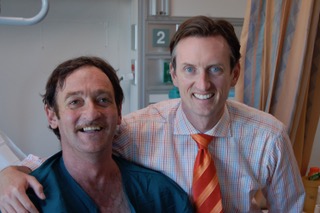
His TED Talk, “What We Can Do to Die Well”, urges doctors to emphasize overall quality of life while helping seriously ill patients approach end-of-life with dignity and compassion. It has been viewed more than 1.6 million times globally.
In addition, National Public Radio’s “All Things Considered” featured him in a story on the development and transformative nature of his philosophy of care and former Australian Minister for Health, Hon Steven Miles MP, endorsed him as an International Fellow for his innovative approach to caring for the most seriously ill.
He is the co-author of Palliative Care and Symptom Management, and is featured in The Art of Healthcare Innovation: Interviews and Industry Insights from 35 Game-Changing Pioneers.
He is the CEO of Ihrig MD & Associates and founder of the Inflection Period Coalition (IPC). IPC is a consortium of clinicians, scientists, scholars and laypersons who seek to understand and quantify human physiologic capacity with respect to healing and restoration.
Their efforts are aimed to create a working model that adequately explains from a physiologic perspective why we die and identify the transitory time when the human body begins to slow down and explains why it is doing so – its Inflection Period.
They endeavor to move the idea of the Inflection Period beyond concept into a measurable clinical practice through development of quantifiable diagnostics. It is the hope of the IPC to elevate understanding and application of the Inflection Period to empower patients, family members, caregivers, and providers to understand why we die, when it is happening, and to reframe care appropriately.
Tim brings calm and indispensable insight to the role of a new medical specialty- palliative care- an added layer of crucial support for improving the quality of life of people with serious illness and for those who love and care for them. His pioneering vision and leadership helped establish the importance of attention to the patient’s inner life and experience both during and after treatment. The outcomes of palliative care- a happier and longer life despite illness- is a too-well kept secret. Learn about what’s in it for you, when to demand it, and how to find it, from the master.
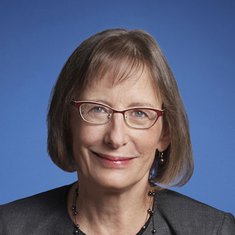
Co-director, Patty and Jay Baker National Palliative Care Center
Professor, Department of Geriatrics and Palliative Medicine
Catherine Gaisman Professor of Medical Ethics, Icahn School of Medicine at Mount Sinai
Having had the privilege of witnessing Dr. Ihrig’s work firsthand, I can attest to his unwavering commitment to improving the quality of life for those facing serious illness. His approach is not just medical; it is deeply human, rooted in empathy, understanding and a genuine desire to honor what is sacred to the patient and to alleviate suffering.
Dr. Ihrig’s message transcends the boundaries of traditional medicine. It inspires hope, encourages meaningful conversations, and promotes a holistic approach to care that honors the individuality and dignity of each patient. His dedication to advocating for the best possible end-of-life experience is truly commendable.
In his advocacy for a more thoughtful approach to healthcare interventions, Dr. Ihrig highlights a critical issue in modern medicine: the tendency to prioritize interventions simply because they are available, rather than considering their true impact on a patient’s quality of life. His emphasis on patient-centered care underscores the importance of aligning medical treatments with patient preferences, weighing the benefits against the potential side effects, and exploring all available options and most importantly, what the patient wants.
Dr. Ihrig’s message is a powerful reminder of the importance of human connection and empathy in healthcare. By encouraging healthcare providers to listen deeply to their patients and consider what truly matters to them, he promotes a more meaningful and respectful approach to end-of-life care. His insights are invaluable for anyone involved in healthcare, inspiring us to reexamine our practices and prioritize the well-being and dignity of every patient.
Dr. Ihrig is a beacon of light in the field of palliative care, inspiring others to join him in his mission to ensure that every individual receives the care and compassion they deserve at end of life.
He is the former Chief Medical Officer for Crossroads Hospice and Palliative Care, then the seventh largest community and home-based hospice organization in the United States. Prior to that he served as Medical Director of Palliative Care at the Trinity Regional Medical Center (TRMC) of the Unity Point Heath Health System (TRMC).
TRMC was one of thirty-two hospitals participating in the Pioneer Accountable Care Organizations pilot project established through the Centers for Medicare and Medicaid Innovation. His care model was the catalyst for Trinity Regional Health System success within the Medicare Shared Savings Program, and his efforts were seminal in UnityPoint Heath being granted the 2013 Circle of Life Award by the American Hospital Association – one of nine institutions that year across the country to receive this prestigious award that recognizes innovative programs in palliative and end-of-life care.
He served as a member of the Board of Managers of the Unity Point Health Accountable Care Organization and the Unity Point Health Regional Organized System of Care Committee. In addition, Dr. Ihrig’s program was recognized as a national leader in integrating palliative care across the healthcare continuum.
He has been endorsed by the Center for the Advancement of Palliative Care as a national level clinician-educator, and he has served as the palliative care content expert to the Accountable Care Learning Collaborative through Western Governors University in collaboration with the Duke-Margolis Health Policy Institute and Dartmouth Institute of Heath.
He attained a doctorate in medicine from the University of Nebraska College of Medicine and a master’s degree in molecular biology from the University of Nebraska at Omaha. He completed his residency in internal medicine at the University of Iowa, Des Moines and a fellowship in Hospice and Palliative Medicine at Stanford University in Palo Alto, California
His other interests include sexuality at the end of life and global health. He is the former Medical Chair of the Health Services Committee for Empower Tanzania Incorporated whose mission is the development of sustainable healthcare solutions in Sub-Saharan Africa for individuals suffering with HIV/AIDS, cancer and other life-limited illnesses.